Halloween: A Season of Its Own | Faunia

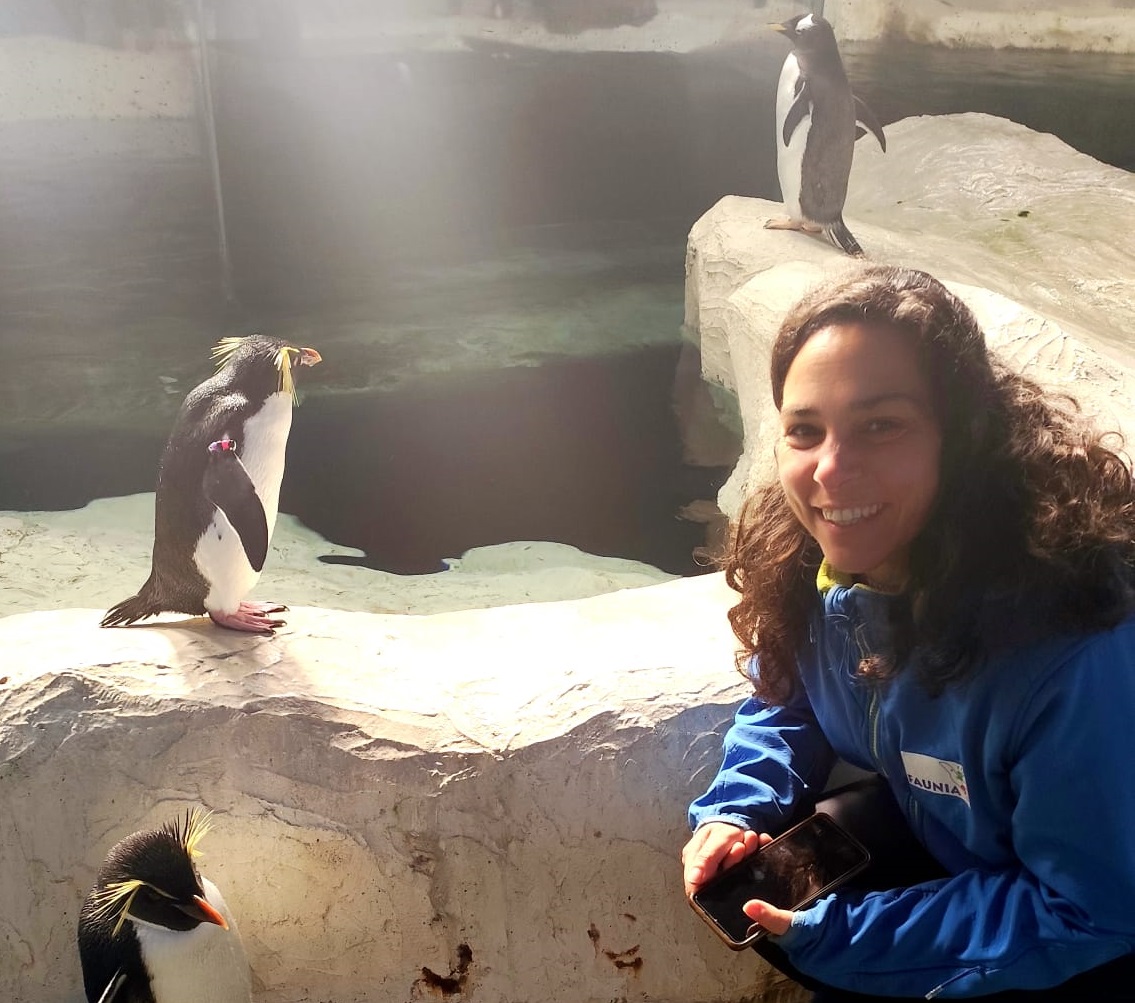
At Parques Reunidos, education goes far beyond the classroom. Across our parks, aquariums and attractions, learning comes to life through experience, curiosity and real-world connection.
As part of our Learning That Leaves a Mark series, we are highlighting the educators who design and lead these experiences every day. Their work helps turn visits into moments of discovery, awareness and long-term impact.
In this interview, Dorkás García, Head of Education at Faunia, shares how education at the park inspires curiosity, responsibility and a deeper understanding of the world around us.
How does Faunia’s educational approach — from family visitors to university interns — support long-term understanding of animal biology and conservation?
At Faunia, we believe education should be an immersive, accessible, and transformative experience. To achieve this, it is essential that our educational approach is adapted and accessible to all our visitors. For families, we design themed tours and interactive activities that spark curiosity and foster respect for biodiversity from an early age, providing a fun and rewarding experience while conveying the conservation message we want to share. When a school visits us, we offer a comprehensive educational program with different activities, from guided tours to workshops, so that they can reinforce everything they learn in class in a practical and engaging way. For university students, we offer internships that combine theory and fieldwork, allowing them to apply their knowledge in a real-world setting. This tiered approach creates a solid foundation: first, interest and empathy are generated, and then science and conservation are explored in greater depth, ensuring that learning lasts over time.
What does collaboration with universities mean for the park and for the students who complete internships here?
For Faunia, collaborating with universities is an opportunity to stay at the forefront of research and education. It allows us to incorporate new scientific perspectives and contribute to the training of future professionals in biology, veterinary medicine, and environmental education. For students, these internships are a unique experience: not only do they learn about animal management and welfare, but also about how to communicate the importance of conservation to different audiences. It is an enriching exchange that strengthens both knowledge and professional practice.
In your experience, what’s the most powerful learning moment for a visitor who comes to Faunia for the first time?
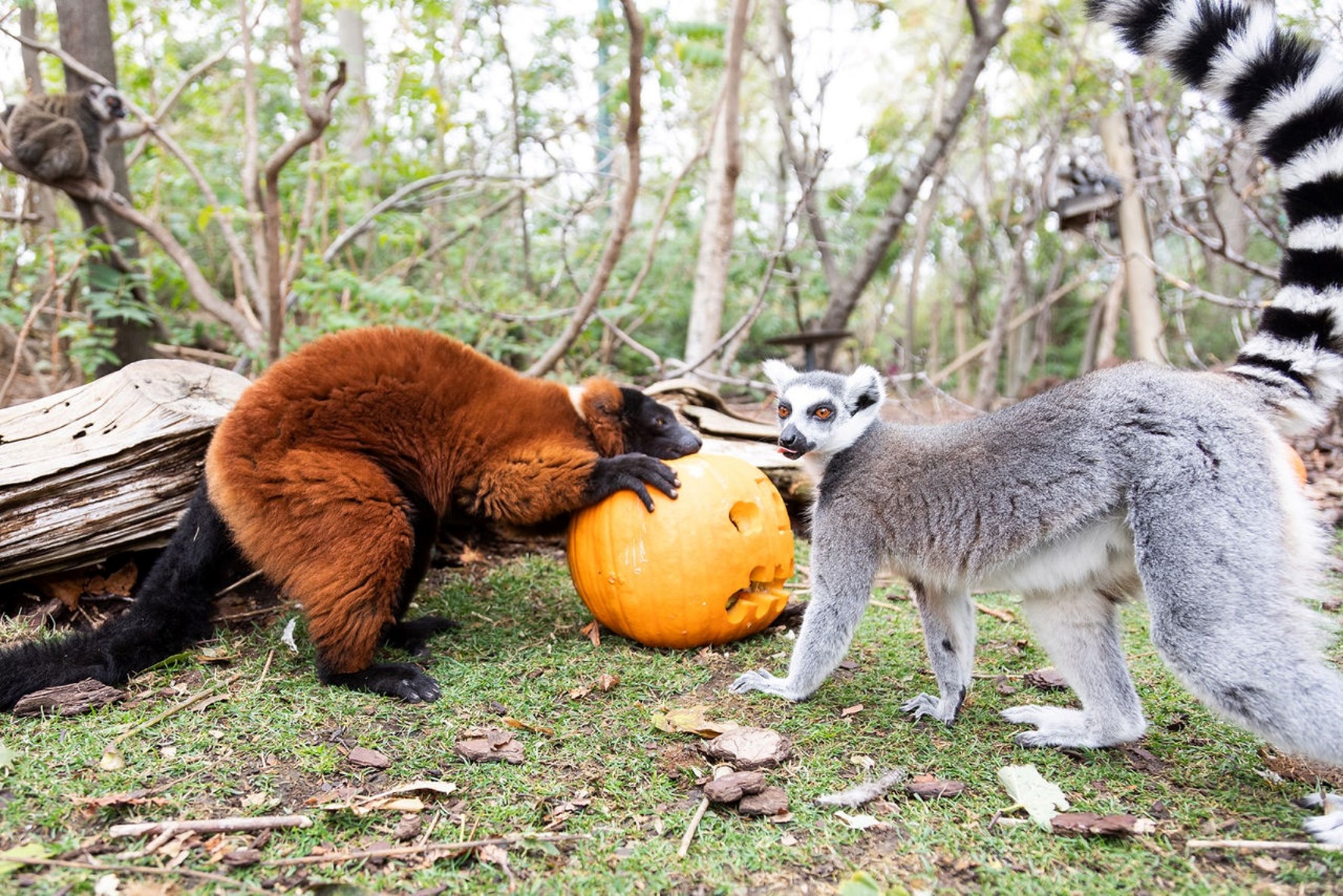
The most impactful moment is usually direct contact with wildlife in environments that recreate their natural habitat. When visitors observe animal behavior up close, they understand that each species plays an essential role in the balance of the ecosystem. This emotional connection through close encounters with wildlife and its environment transforms visitors’ perceptions: they stop seeing animals as mere curiosities and begin to understand them as living beings that we must protect and that are part of a whole that also includes us humans.
What do you see as the biggest educational impact of hands-on experiences like wildlife interaction exhibits or themed educational talks?
Hands-on experiences are irreplaceable because they turn information into experience. A talk can explain the importance of conserving our ecosystems, but when a child observes the animals that live in them up close and understands their relationships, learning becomes tangible. These activities foster empathy, curiosity, and environmental responsibility. They also allow visitors to ask questions and participate actively, which reinforces knowledge retention and motivation to act in favor of conservation.
Looking forward, how can zoo education evolve to strengthen societal understanding of biodiversity and environmental stewardship?
We must broaden our focus on sustainability, showing how our daily decisions impact ecosystems. In an interactive way, encouraging participation and active collaboration, we must continue working to connect visitors with the global reality of biodiversity. Education in zoos must become increasingly participatory: not only informing, but inspiring people to become active agents of conservation.