Halloween: A Season of Its Own | Faunia


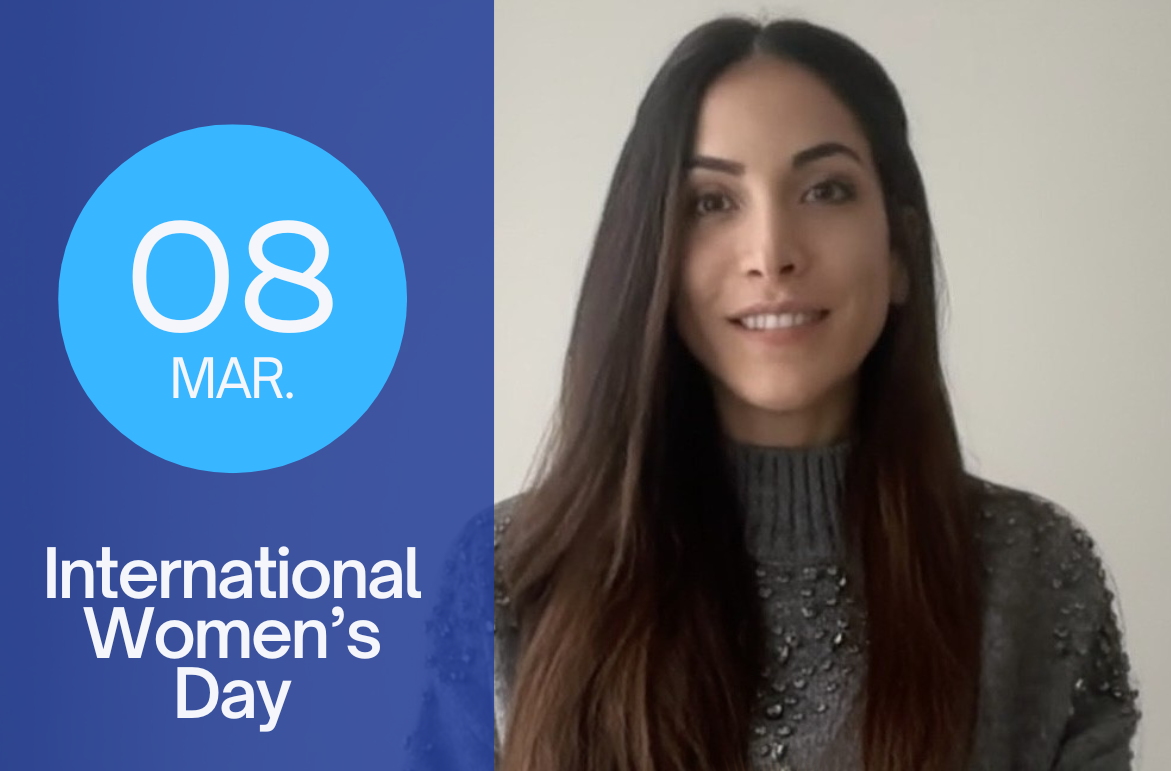
International Women’s Day 2026 carries a powerful message: When we give, we gain.
The theme “Give To Gain” challenges us to rethink gender equality not as a symbolic gesture, but as a continuous commitment. Giving visibility. Giving opportunities. Giving voice. Giving fairness. Giving growth.
At Parques Reunidos, advancing gender equality is not about one day in March. It is about how we build a sustainable organization; one where talent thrives, leadership is inclusive, and opportunity is accessible to all.
To explore what “Give To Gain” means in practice, we spoke with Laura Espada, Parques Reunidos Head of Social Sustainability, about how gender equality connects to long-term value creation, and what we are committed to giving beyond International Women’s Day.
The theme for IWD 2026 is “Give To Gain.” What does this idea mean to you in the context of gender equality?
For me, the theme “Give to Gain” captures a simple but powerful truth: in business, giving is a strategic investment. When organizations give women real access to opportunities—leadership roles, stretch assignments, visibility, sponsorship—they are not reallocating scarce resources; they are creating new value. The return is clear: stronger teams, greater innovation, better performance, and healthier cultures.
A central part of this “giving” is giving voice. When companies intentionally create space for diverse perspectives to be heard, they gain richer dialogue, deeper insights, and more inclusive decisions. In this context, listening becomes a strategic asset rather than a soft skill.
It also involves giving influence. Leaders who sponsor women, challenge bias, advocate for pay equity, or redesign systems to be fairer are essentially reinvesting their privilege back into the organization. What the company gains in return is fairness, resilience, and trust—qualities that reinforce culture and reputation over time.
And there is the act of giving trust. When we trust women’s potential without requiring them to prove themselves repeatedly, we create the conditions for confidence to grow. As confidence rises, leaders thrive, people feel empowered, and performance follows.
These ideas are not simply beliefs; they are supported by evidence. McKinsey’s Diversity Matters Even More (2023) showed that companies with greater representation of women in leadership have an 18% higher likelihood of achieving superior financial performance. Gender diversity is not only a moral imperative but a strategic advantage, and its absence represents a real financial risk.
Research also shows that women strengthen team performance at a fundamental level. A study by Woolley and colleagues (2010) found that teams with a higher proportion of women score significantly higher on collective intelligence—essentially their ability to collaborate and solve diverse problems. These teams showed more equal turn‑taking in conversations, which improved responsiveness, knowledge sharing, and overall problem‑solving.
“Give to Gain” is therefore more than a theme. It is a proven equation: when organizations give women opportunities, voice, influence, and trust, they gain stronger leadership, stronger teams, and stronger results. Everyone rises.
Why do you believe gender equality is a business imperative, not just a social initiative?
I believe gender equality is a business imperative because companies simply cannot compete, innovate, or sustain growth if they are only tapping into half of the available talent. In today’s environment, competitiveness depends on diversity of thought, creativity, and adaptive problem‑solving, and these capabilities are stronger in gender‑balanced organizations.
It is also a matter of risk management. Organizations that fail to advance women into decision‑making roles expose themselves to higher turnover, weaker pipelines, and reputational vulnerabilities. Investors, regulators, and customers are increasingly scrutinizing companies through an ESG and transparency lens; gender imbalance is now widely recognized as an indicator of cultural health and long‑term governance quality. In this context, gender equality becomes a business safeguard.
Another reason is talent attraction and retention. The next generation of employees—especially Gen Z—actively choose employers whose values align with inclusion, fairness, and equity. When women see visible pathways to growth, companies strengthen engagement, reduce attrition, and build a more resilient workforce. When they do not, they risk losing high‑potential talent to competitors.
Gender equality is not an HR initiative, a social cause, or an optional program. It is a strategic, future‑focused business requirement. Companies that prioritize it build stronger pipelines, stronger cultures, and stronger competitive advantage.
How does Parques Reunidos approach gender equality beyond International Women’s Day?
Parques Reunidos approaches gender equality as an integral, year-round priority embedded in its global Diversity, Equity and Inclusion (DEI) strategy, going far beyond the celebration of International Women’s Day. IWD serves as an important moment of visibility and reflection, but our commitment is structural and continuous.
Across the employee lifecycle, the company ensures fairness, respect, and equal opportunities through its DEI Policy and its Policy Against Harassment and Discrimination, reinforced by alignment with the UN Women’s Empowerment Principles and participation in the UN Global Compact. We focus on equitable recruitment, development, and promotion processes, as well as safe working environments where women can thrive at all levels of the organization. Inclusion training, the Inclusive Language Guide, annual awareness campaigns, and the promotion of voluntary self-identification further sustain inclusive behaviors across all parks.
This work is supported by the Group’s DEI Network, made up of 52 members who coordinate local initiatives and continuous improvement. Thanks to this structure, gender equality remains embedded in everyday leadership practices, talent decisions, and workplace culture rather than addressed only on commemorative dates.
Beyond our workforce, we also consider how gender equality shapes the experience of our guests and communities. Many women visit our parks not only as guests, but as caregivers. By implementing accessibility measures such as sensory rooms, adapted attractions, inclusive signage, and accessibility guides, we help ensure that women — including women with disabilities and those caring for children or relatives with specific needs — can enjoy safe, welcoming, and inclusive leisure experiences.
In addition, we collaborate with local organizations to improve access to leisure for women facing greater barriers, including women victims of gender-based violence and their children. Through donations, awareness events, and social inclusion initiatives, our parks become platforms to promote visibility, empowerment, and equal participation throughout the year.
We recognize that advancing gender equality is an ongoing journey. We remain committed to listening, learning, and strengthening our actions to create meaningful and lasting impact for women within our organization and across the communities we serve.
On this International Women’s Day, what is one action you encourage every colleague to ‘give’ this year?
Inclusion and equity are everyone’s responsibility. On this International Women’s Day, I encourage every colleague to ‘give’ one essential thing: a conscious commitment to inclusion and equity in their everyday actions. Inclusion only becomes meaningful when it translates into consistent behaviors that help build a fairer and more inclusive workplace for all.
This means giving attention to our own biases by pausing, reflecting, and challenging the assumptions that might shape the way we make decisions or interact with others. It means giving respect to every colleague by listening actively, valuing diverse perspectives, and fostering an environment where everyone feels safe to contribute. And it also means giving time to learn, to engage in meaningful conversations, to participate in initiatives, and to share ideas that help us continue improving together.
When each of us commits to these actions, we collectively move closer to a culture where inclusion is not an aspiration but a daily reality.