Halloween: A Season of Its Own | Faunia

At Parques Reunidos, education goes far beyond the classroom. Across our parks, aquariums and attractions, learning comes to life through experience, curiosity and real-world connection.
As part of our Learning That Leaves a Mark series, we are highlighting the educators who design and lead these experiences every day. Their work helps turn visits into moments of discovery, awareness and long-term impact.
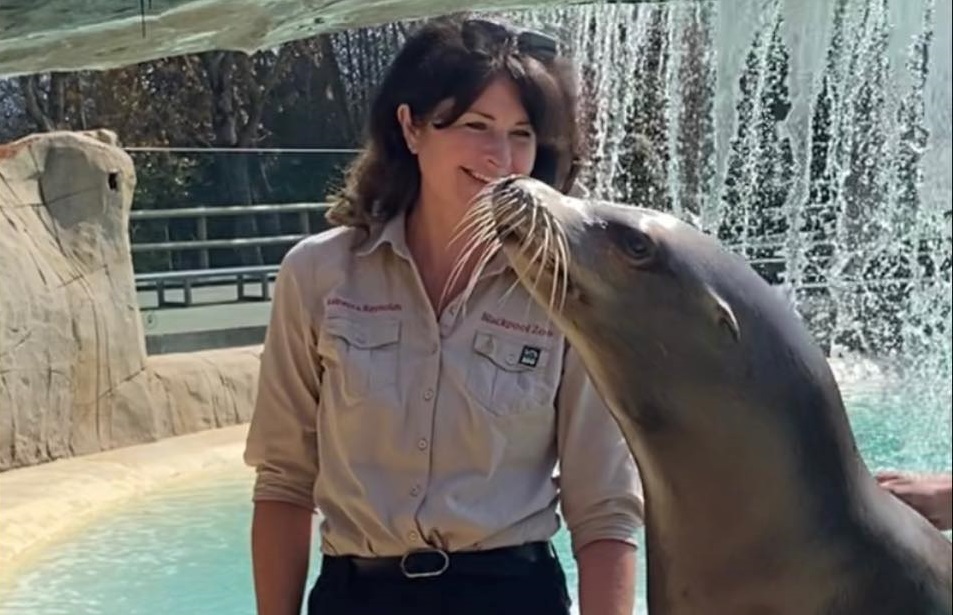
In this interview, Rebecca Reynolds, Head of Education, Conservation and Research at Blackpool Zoo, shares how education at the park inspires curiosity, responsibility and a deeper understanding of the world around us.
When schools or groups visit Blackpool Zoo, what sort of learning journey do you hope they take away beyond just seeing the animals?
We see learning as an experiential journey, not a one-off moment. While animals may be the starting point, the deeper purpose of a visit is connection; connection to wildlife, to the environment and to one another.
Every visitor is a learner. Our role as educators is to help students understand what it means to be part of the environment, not apart from it. Through immersive experiences, guided encounters, hands-on learning, and real conservation stories, we take students on a journey from curiosity to understanding.
We are more than a place to see animals. We are a place to connect with nature, with knowledge and with people. Some of the most powerful learning comes through human connection and our educators and keepers model care, curiosity, and responsibility every day. When learning is lived and felt, not just heard, it stays with you. That is the journey we aim to create.
How do you connect topics like conservation and sustainability with the real lives of students during your educational programs?
Conservation only becomes meaningful when it feels relevant. We can’t ask young people to recycle, choose sustainable products or care about biodiversity if they don’t understand why those actions matter. Our programs connect global challenges, such as climate change, biodiversity loss, and sustainable living, to everyday choices: what we eat, what we buy and how we use resources. We use interactive activities, artefacts, and games such as ‘Supermarket Sweep’ and ‘Conservation Carousel’ to make these issues tangible and relatable. At the end of their week of study, our Conservation Summer Camp students even host workshops for zoo visitors using their own knowledge, enthusiasm and engaging props.
As an accessible gateway to wildlife, the zoo allows students to see, feel and question these issues in real time. This experiential approach builds empathy, confidence and understanding, helping learners realize that even small actions can make a real difference.
Can you see a moment during a school visit where you see curiosity turn into deeper understanding or action?
Last summer, a local primary school was so moved by our message about plastic pollution during the sea lion demonstration that they volunteered to return and litter-pick at the zoo for an entire day. Another school was inspired by our sustainable palm oil message following a Rainforest workshop. Each pupil wrote a letter to the school’s lunch provider asking them to change how their products were sourced. This led the company committing to the use of sustainable palm oil. This is conservation learning turning into real-world action.
Blackpool Zoo runs courses like Keeper Courses and interactive workshops. How do these contribute to inspiring future conservationists or wildlife professionals?
These experiences plant seeds. Some participants go on to careers in animal management, veterinary science, or conservation; others develop a lifelong respect for wildlife. Both outcomes matter.
Keeper Courses and workshops provide hands-on, immersive learning that shows what conservation and animal care look like in practice. Participants gain real-world insight, confidence, teamwork, and problem-solving skills while exploring potential career pathways.
One of our alumni, Maddie, attended our Zookeeper Academy at 15, joined our work experience program at 18, went on to study Veterinary Science and later specialized as a marine mammal practitioner, an ambition sparked by working with the sea lions at Blackpool Zoo.
What challenge do educators face when trying to make conservation meaningful and relevant to young visitors?
One of the biggest challenges is avoiding overwhelm. Conservation can feel like a story of loss and urgency, and for young people, that can be difficult to process. As educators our role is to balance honesty with hope.
We focus on empowerment rather than guilt, helping young visitors understand what they can do rather than what they should do. When people feel capable of making a difference, they are far more likely to care.
Accessibility is also key. By creating inclusive, welcoming environments and supporting different ways of learning, we ensure every student feels valued. When conservation feels personal, achievable and relevant, it becomes meaningful.