Halloween: A Season of Its Own


At Parques Reunidos, education goes far beyond the classroom. Across our parks, aquariums and attractions, learning comes to life through experience, curiosity and real-world connection.
As part of our Learning That Leaves a Mark series, we are highlighting the educators who design and lead these experiences every day. Their work helps turn visits into moments of discovery, awareness and long-term impact.
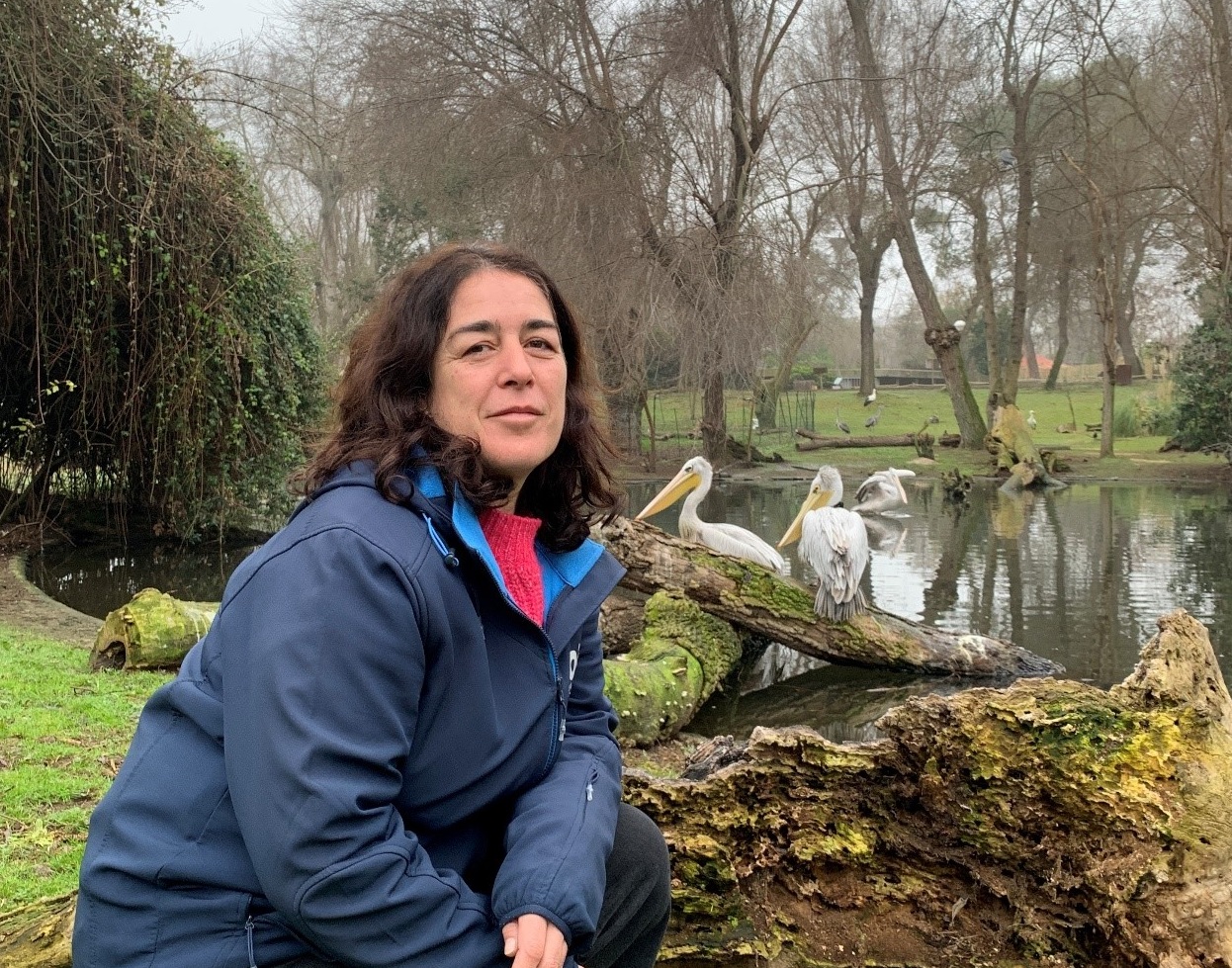
In this interview, Noelia Benito, Head of Education at Zoo Aquarium Madrid, shares how education at the park inspires curiosity, responsibility and a deeper understanding of the world around us.
Zoo Aquarium Madrid presents its park as a “living classroom.” How do you design learning experiences that help students connect wildlife with global conservation challenges?
We link each species to its ecosystem and the challenges it faces: habitat loss, illegal wildlife trafficking, climate change, and more. For example, when we talk about orangutans, we explain how deforestation and habitat loss caused by palm oil plantations affect their survival, and how this is directly connected to our own consumption habits.
We design games, workshops and interactive activities that encourage students to reflect on their role in conservation, helping them understand that our actions have a global impact. And of course, connecting with Dahi — our impressive male orangutan — and his family becomes the final touch that fosters empathy and commitment, making students feel part of the solution. Emotional connection is essential.
Can you share an example of how interactive educational activities, such as themed exhibits or workshops, encourage deeper curiosity or engagement among young learners?
One example is our workshop “The Conservation Puzzle,” designed to spark curiosity and commitment among children. It consists of a large, three-sided puzzle. The first side shows an idyllic image of a Mediterranean forest, with endemic species living in harmony and free from threats. This creates admiration and an emotional connection with biodiversity.
The second side presents the same scene affected by real-life challenges: roads, power lines, fires, poison, pollution. Here, children discover how human actions impact ecosystems, prompting questions and reflection.
The third side focuses on solutions: wildlife crossings over roads, protection of power lines, recycling, fire prevention. Participants understand that alternatives exist and that they can be part of the change.
How do you adapt your educational content to make it meaningful for different age groups, from early years to secondary education?
We adapt our content to the official curriculum for each educational stage, as well as to the guidelines set by organizations such as EAZA, WAZA and the IUCN.
Language and methodology vary depending on age. With younger children, we use more playful, hands-on activities, storytelling and characters that allow them to learn through play. With older students, we introduce more scientific data, encourage debate, and present challenges that help them reflect and make informed decisions. It is essential that they connect learning to their everyday experiences — how we shop, what we consume, how we travel.
What role does conservation messaging play in your educational programs, and how do you reinforce it throughout a visit?
Conservation is the most important message in all our activities. Our motto is: “Together we learn. Together we protect. Together we conserve.”
It is not just about showing animals, but about understanding why their conservation is vital for the balance of the planet. Why is this species important? What would happen if it disappeared? How would that affect us?
We also share the different conservation projects in which Zoo Aquarium Madrid actively participates and provide visitors with tools to be part of the solution — choosing local products, recycling, reducing plastic use. Conservation is not an add-on; it is the guiding thread that inspires and drives long-term commitment.
If you could summarize in one sentence what you want students to remember from an educational visit to Zoo Aquarium Madrid, what would it be?
We want them to remember that every species matters, and that our daily actions — no matter how small they may seem — can make a real difference in protecting our planet.