Halloween: A Season of Its Own | Faunia

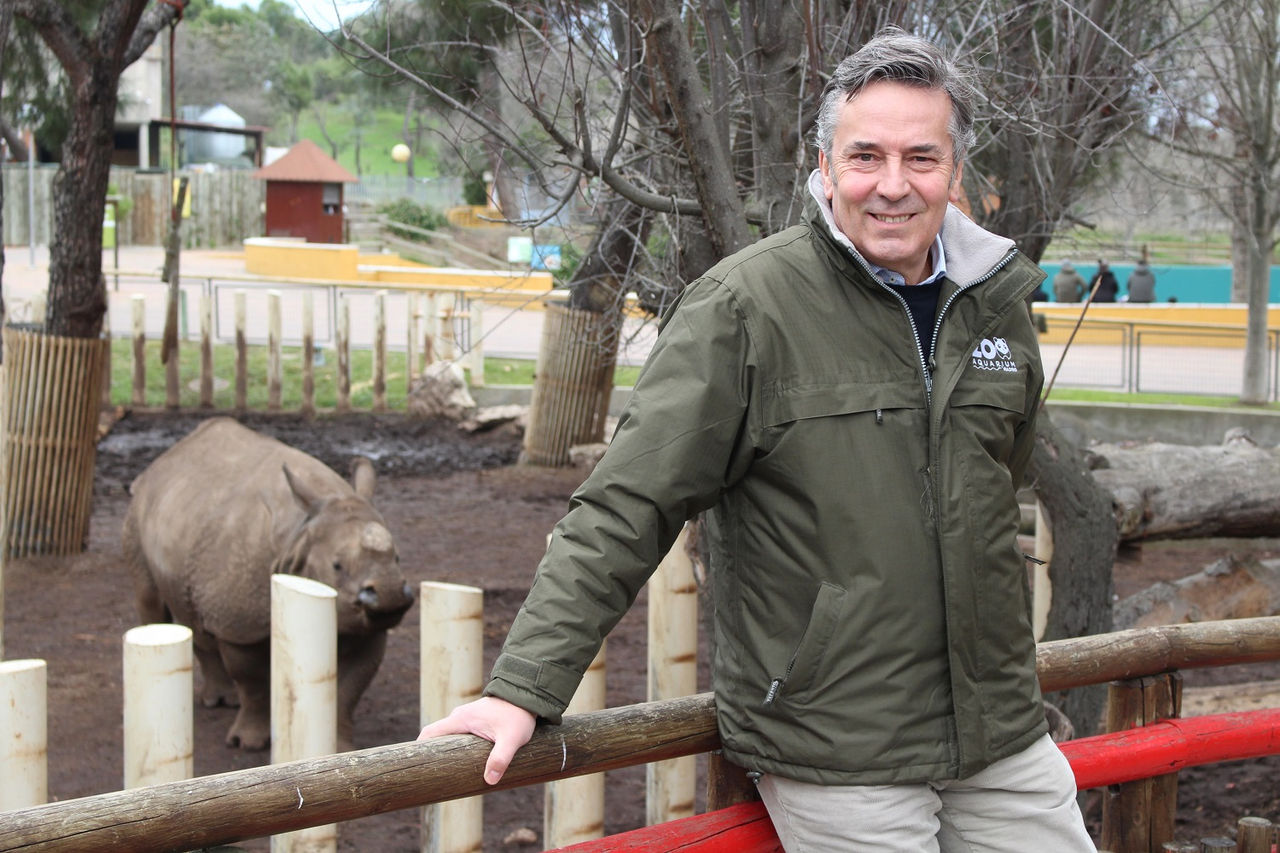
With a solid year of progress behind them, Zoo Aquarium Madrid is now looking ahead. We spoke with its General Manager, Enrique Pérez, to understand how the Zoo of the Future will continue to take shape in 2026.
Many of the initiatives in 2025 focused on strengthening fundamentals such as animal welfare, education and guest experience. What are the priorities you want to deepen or accelerate this year?
Our priority is to continue fulfilling our mission of promoting biodiversity conservation from a dual perspective, through actions focused on animal species and actions focused on people.
At Zoo Aquarium Madrid, we provide protection, refuge and care for endangered species and for animals whose natural habitats are under threat. We guarantee their wellbeing, promote conservation initiatives and lead research that contributes to the future preservation of biodiversity.
At the same time, we will continue connecting people with wildlife to inspire a passion for nature, raising awareness about the animal world, educating on conservation and fostering respect for nature and animals. We also promote sustainable behaviors such as waste reduction, recycling, the use of regenerated water, biomass heating systems and CO₂ reduction through initiatives like our electric train. We firmly believe that biodiversity conservation is a shared responsibility, and that our visitors can become active contributors to that future. This is a great responsibility that we hold in our hands.
Guest expectations continue to evolve, especially around education, conservation and purpose. What do you think visitors will value most in their Zoo experience in the coming years?
Education is one of the fundamental pillars of Zoo Aquarium Madrid. Through education, we raise awareness about biodiversity loss, increase understanding of animals and conservation, and influence people to adopt more sustainable behaviors.
In conservation, we lead and collaborate in programs that help animal populations survive, including breeding programs, species reintroduction initiatives, survival plans and investment in in situ conservation projects.
Research is another essential pillar. We carry out studies both within the Zoo and in the wild, focused on endangered species. We study animal biology, behavior, health and welfare, and we share these results with other zoos and institutions to improve conservation efforts.
We believe that visiting Zoo Aquarium Madrid should always be a fun experience that allows people to build stronger emotional connections with the animal world. Conservation stories must be told in a positive way to inspire visitors.
If you had to choose one ambition for 2026 that excites you the most, what would it be and why?
One of our most exciting ambitions for 2026 is the renovation of the former dolphin facility, transforming it into a modern and innovative space designed specifically for our sea lions.
The renovation will include new areas such as sandy beaches, new filtration systems and updated theming, all designed to further enhance animal wellbeing. Our goal is for this facility to become a benchmark within Zoo Aquarium Madrid, combining design, welfare, conservation and education, and bringing visitors closer to marine wildlife.